Catching ActiveCampaign Deals Before They Go Quiet for Good
August 6, 2026

A deal in ActiveCampaign can sit in the same stage for weeks before anyone notices the prospect stopped answering. There's no alert that fires just because a contact went quiet, so a promising conversation from three weeks ago slips behind newer deals until someone wonders what happened.
Multiply that across forty or fifty open deals, and the ones most likely to close from a nudge are often the ones nobody revisits.
What gets missed when deals go quiet
- The last real touch date. ActiveCampaign shows when a contact was last emailed, but not always when someone last had a real conversation with them.
- Context from the last conversation. Whatever the prospect said about their timeline or objection is easy to forget by the time anyone follows up.
- The right moment to follow up. Reaching out too soon feels pushy, and waiting too long lets the opportunity go cold, so most reps guess.
- A consistent record for whoever picks up the deal. If the original rep is out, the new person has to reconstruct the conversation from whatever notes exist, often none.
- Deal stage accuracy. A cold deal still marked in negotiation makes the deals list look healthier than it is.
How Quin handles it
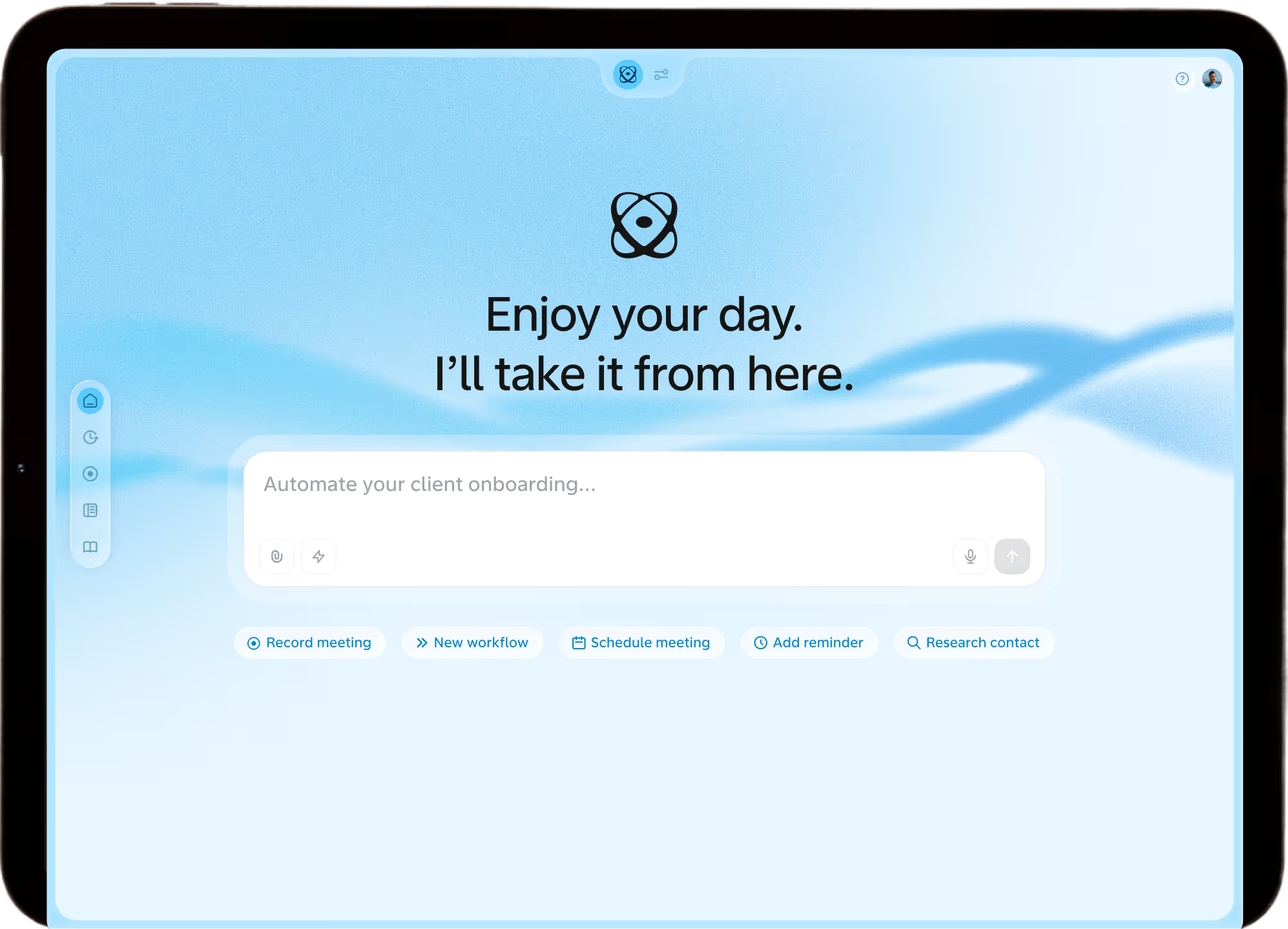
Quin keeps track of when a contact was last discussed on a call or in an email thread, and flags deals that have gone quiet longer than the window you'd expect for that stage. Ask Quin what happened on the last call with a specific contact, and Quin pulls the answer from what's logged in ActiveCampaign instead of you scrolling through the activity feed. When it's time to follow up, Quin drafts a message that references what was discussed, like a specific objection or timeline, instead of a generic check-in.
Picture a deal sitting in proposal sent for three weeks. The prospect asked for a follow-up after checking with their finance team, and that request got buried in an email thread. Quin surfaces the deal as one that's gone past its usual follow-up window, and drafts a note that references the finance team check-in specifically, instead of a generic just-checking-in email.
A deal that goes quiet doesn't usually mean the prospect said no. More often the conversation got buried under everything else on someone's plate. The deals that recover are the ones where the follow-up references something specific enough that the prospect remembers the conversation was real. Catching those deals before they've gone cold enough to feel awkward to revive is where a chunk of closeable revenue disappears without anyone tracking it.
Best practices
- Set a standard follow-up window per deal stage. Silence means something different in proposal sent than in outreach.
- Log the reason a deal stalls, not just that it did. Waiting on finance calls for a different follow-up than a competitor comparison.
- Keep deal stages honest. Move a deal back a stage if the conversation stalled.
- Review the deals list on a set day each week. A recurring look catches more than waiting for a report.
Setting it up
Connect ActiveCampaign under Settings, then Integrations, and authorize it with your account's API URL and key. Set the follow-up window you want flagged for each deal stage so Quin knows what counts as gone quiet versus still on track.
#skills