Bringing Quin's Meeting Notes Into Claude or ChatGPT
August 6, 2026

A small business owner running a two-person shop uses ChatGPT for nearly everything: proposals, emails, brainstorming. Every time he needs to reference something a client said on a call last week, he has to stop, open Quin, scroll the meeting summary, and copy the relevant part back into ChatGPT. It's a small interruption that breaks his train of thought right when he's trying to move fast.
What Tends to Get Missed
- Copy-paste becomes the default workflow: Without a direct connection between Quin and the AI assistant someone is already using, moving meeting information between tools means manual copying, which adds delay and risks missing a detail.
- Context resets with every new AI conversation: Starting a new chat in Claude or ChatGPT means starting from zero unless notes are pasted in again, even if Quin already captured that information days earlier.
- CRM updates require a separate trip: Updating a client record after a call often means logging into the CRM directly, even when the assistant could otherwise make the change.
- Each AI assistant has its own connection method: A workaround built for one assistant often doesn't transfer to another, doubling the setup work.
- Raw data gets lost in translation: When information passes through several steps, from meeting to note to copy-paste to new AI response, small details can get dropped.
How Quin Handles It
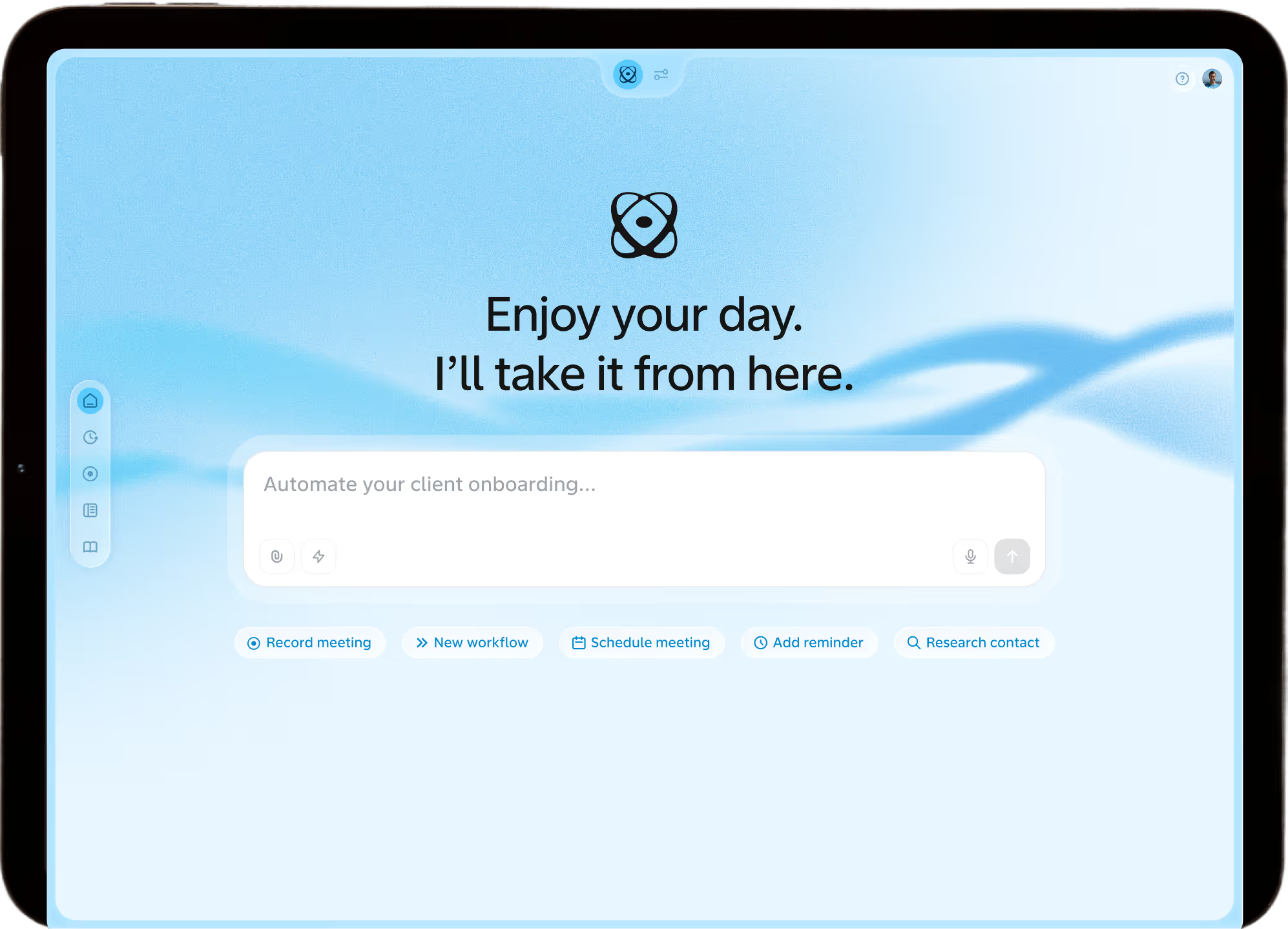
Quin's MCP support means Claude, ChatGPT, and other MCP-compatible assistants can call on Quin's tools directly, rather than requiring someone to manually shuttle information between apps. Once a connection is authorized, the assistant can search calendars, retrieve meeting details, and update CRM records using the same natural language requests someone might type into Quin itself.
Picture a business owner inside a ChatGPT conversation, deep into drafting a proposal for a prospective client. Rather than switching tabs to check what was discussed on last month's discovery call, he simply asks ChatGPT to pull it up. ChatGPT calls Quin's MCP server behind the scenes, retrieves the details, and he keeps typing without breaking focus. The proposal reflects what was actually said, not a rough memory of it.
Because the connection returns raw data rather than a rewritten summary, the information stays close to the source. That matters most in client-facing work, where quoting a client's own words back accurately builds more trust than a paraphrase ever could.
Best Practices
- Match the connection name to the assistant: Naming a key "Claude" or "ChatGPT" keeps the list of active connections easy to audit later.
- Confirm the first request carefully: The first time an assistant calls on Quin's tools, review what it's asking to do, since later requests can be approved automatically.
- Keep CRM update requests specific: Phrase a request the same way you would inside Quin, naming the client and the exact field being changed.
- Test with a low-stakes request first: Before relying on the connection for client-facing work, try a simple calendar search first.
Setting It Up
Connecting Claude or ChatGPT to Quin starts with generating a dedicated API key and copying Quin's MCP server address, along with the OAuth client details, into the assistant's connector settings. From there, authorizing the connection and reviewing the requested permissions lets the assistant start calling on Quin's tools inside the same conversation you're already using. The keys needed live under Settings, then Integrations.
#skills