Keeping a Microsoft Exchange inbox organized after every call
August 6, 2026

A client emails an advisor's Exchange inbox asking about a beneficiary form she mentioned on a call three weeks earlier. The advisor searches for "beneficiary," comes up empty because the original email said "update the paperwork," and spends ten minutes scrolling before finding it.
What Tends to Get Missed
- A keyword search misses a message because the client didn't use the word being searched for, even though the email is sitting right there under different phrasing.
- A reply gets buried under newer messages and never gets flagged for follow-up, so it sits unanswered until the client writes again.
- Contact details end up looked up manually across old threads, instead of pulled directly from a client's own history.
- Folder and tag rules exist but stop getting applied once the week gets busy, so the inbox drifts back into one unsorted list.
- A message sits marked unread for days, because reading it once wasn't the same as acting on it.
How Quin Handles It
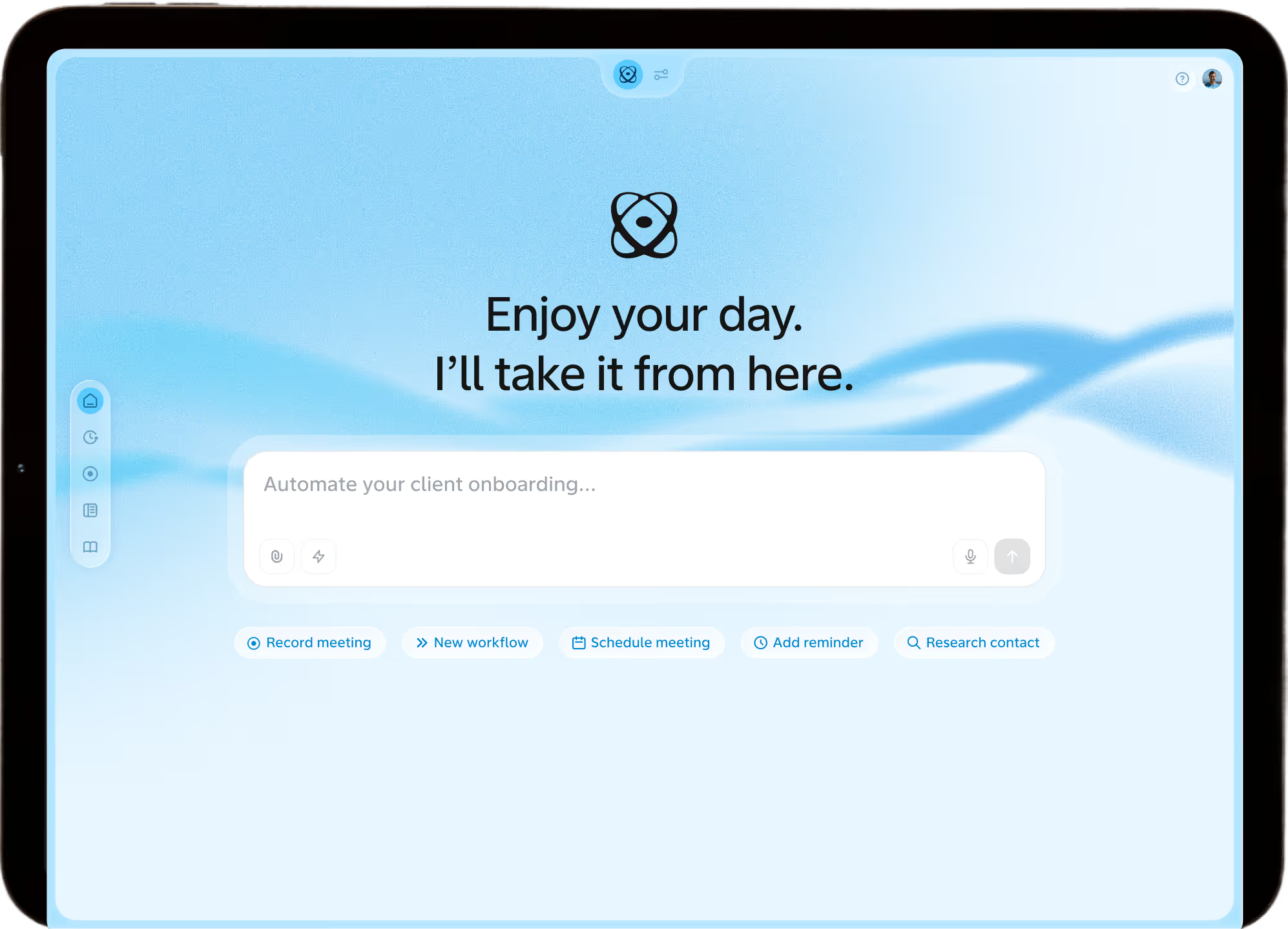
Quin connects to the Exchange mailbox directly, so it can search messages the way a person would think about them, by who sent it or what it was about, rather than requiring the exact word used in the subject line. It can also organize the inbox on request, applying folders, tags, flags, and read or unread status the way the advisor already sorts mail, and it recognizes an existing signature so drafted messages match how outgoing mail already looks.
Picture a scenario: an advisor can't remember the subject line of an email from a client named Denise about a beneficiary update, so instead of searching by keyword, they ask Quin to find the message from Denise about beneficiary forms. Quin searches by sender instead of exact wording, finds the thread, and can flag it or move it into the right folder, without the advisor digging through weeks of messages first.
Over time, the same mechanism keeps the inbox from drifting into a single unsorted list where a genuinely important message looks the same as a newsletter. That matters more for advisors than for most inboxes, since a client's question about their money sitting unread for days reads very differently than an unread promotional email.
Best Practices
- Search by sender name or email address if a keyword search comes up empty, since that's the most reliable way to find a message when the wording doesn't match what's in your head.
- Set a Guideline for how messages should be organized, such as always tagging a certain kind of email, so the rule applies every time, not just when there's time.
- Keep your signature current in Exchange, so anything drafted matches the sign-off your clients already recognize.
- Check Settings, then Integrations, if search results look out of date, since a disconnected integration is the most common reason results stop reflecting the mailbox.
Setting It Up
Connecting Exchange requires the server address, account email, username, password, and Exchange version for your server, the same details an IT admin has on hand for any other email client. Once connected, Quin can search, draft, and organize the mailbox, and a few Guidelines around tagging keep it consistent from day one. Connect Microsoft Exchange under Settings, then Integrations, enter your server details, and confirm the connection before asking Quin to search or sort anything.
#skills