Keeping Your Zimbra Calendar Accurate When Meetings Run Long or Get Rescheduled
August 6, 2026

A financial advisor's client review runs fifteen minutes past its scheduled end because the client wants to talk through a life insurance question that was not on the agenda. The Zimbra calendar still shows the meeting ending on time, the next call starts without anyone noticing the overlap, and the follow-up the client asked for next quarter never makes it onto the calendar at all.
What Tends to Get Missed
- Meetings that run over their block. When a call goes long, the entry does not update on its own, so the true end time and overlap with the next meeting go unrecorded.
- Verbally agreed reschedules. A client who asks to move next month's review during the call itself often gets a verbal yes that never turns into an actual calendar update.
- Follow-up meetings mentioned but never booked. Advisors often agree to a next step, like a call with a specialist, without anyone creating the invite.
- Stale recurring series. A recurring meeting shortened or extended for one instance can leave the calendar out of sync with what was actually agreed to.
- Double bookings after a delay cascades. One meeting running long can push every later meeting back, and those meetings still show their original, now inaccurate, times.
How Quin Handles It
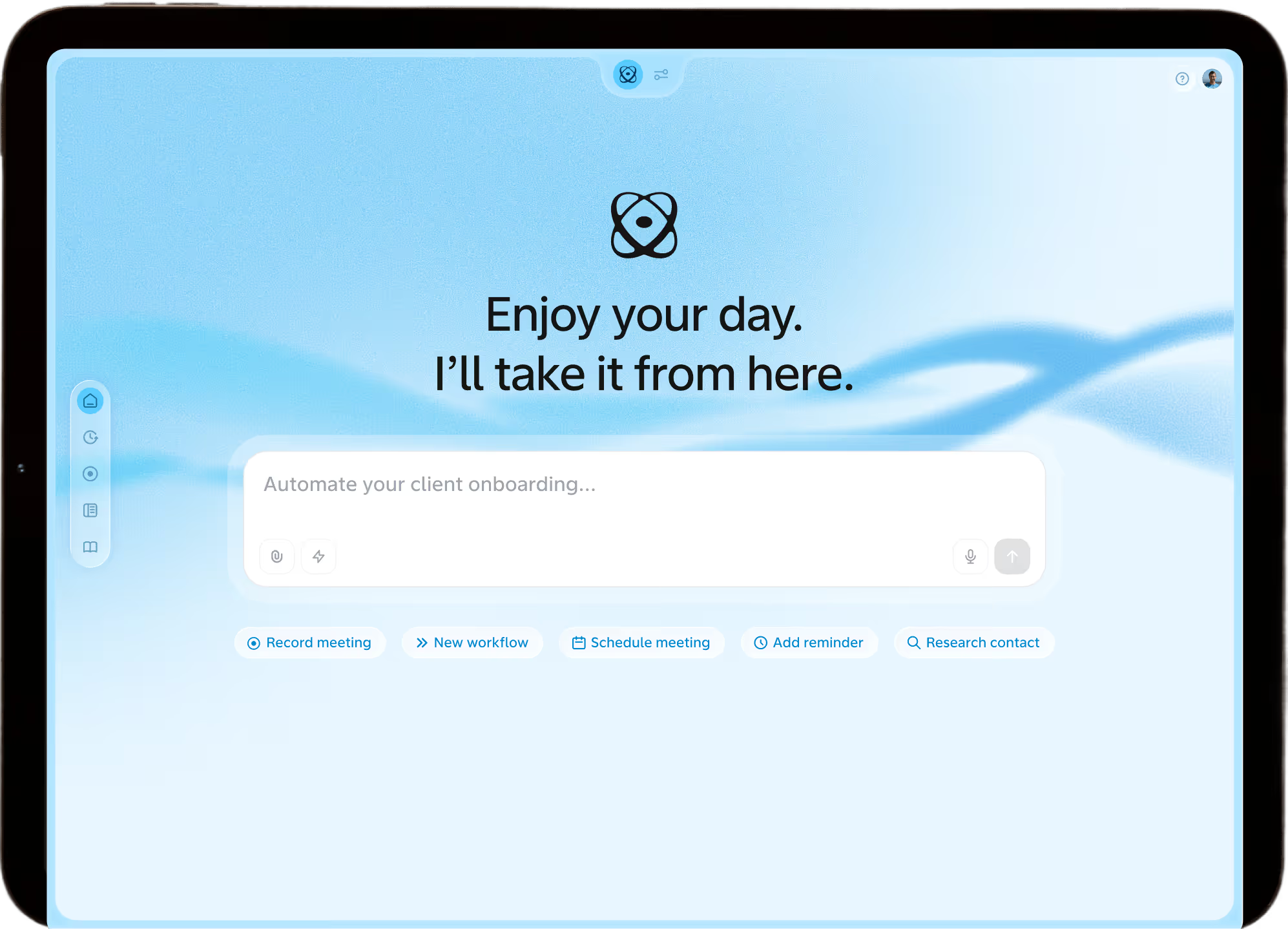
Quin listens through the meeting and picks up on scheduling language, catching mentions of a new date, a follow-up call, or a meeting that needs to be pushed. Because it is connected to Zimbra, it acts on that language directly rather than leaving it as a note to remember later.
Picture an advisor on a call where the client says, let's revisit this in three months once the new statements come in. Quin catches that line, checks the calendar for a good slot roughly three months out, and drafts an invite for the advisor to review and send, rather than letting that commitment live only in the recording of the call.
The same applies to a meeting that runs long. Quin can note the actual discussion length in its recap and flag that the entry no longer matches reality, so the advisor can correct it before the next meeting stacks on top of one that technically already ended. Left uncorrected, that drift is how advisors end up double booked or arriving late to a meeting that was never going to start on time.
Best Practices
- Review calendar suggestions before they go out. Treat drafted invites and updates as a starting point to confirm, not to send unread.
- Build buffer into recurring meeting blocks. A ten or fifteen minute cushion after client reviews absorbs calls that run long without cascading into the rest of the day.
- Say scheduling commitments out loud during the call. A specific month or week gives Quin better information than a vague plan.
- Check the calendar at the end of each day. A quick glance catches any drafted updates that still need confirmation.
Setting It Up
Connecting Zimbra to Quin only takes a few steps. Enter the server address, the account email and password, and complete two factor verification if required, then confirm the connection. From there, Quin reads and updates the calendar as meetings happen, keeping scheduling changes and follow-ups in sync with what was discussed. This is all configured under Settings, then Integrations.
#skills