What happens in Pipedrive once a call wraps up
August 5, 2026

The moment a call ends is also the moment its details are clearest, and the moment they're most likely to get pushed aside for whatever's next on the calendar. What actually makes it into Pipedrive usually depends on how much time is left before the next meeting starts.
What tends to get lost between the call and the CRM
- The specific reason a deal moved or didn't, which is easy to summarize vaguely once time has passed.
- A concrete next step with a date attached, which becomes a soft "follow up soon" by the time it's written down.
- Who actually needs to do what, a detail that matters for handoffs and disappears fastest from memory.
- The update itself, which sometimes just doesn't happen if the day gets busy enough.
How Quin closes the gap
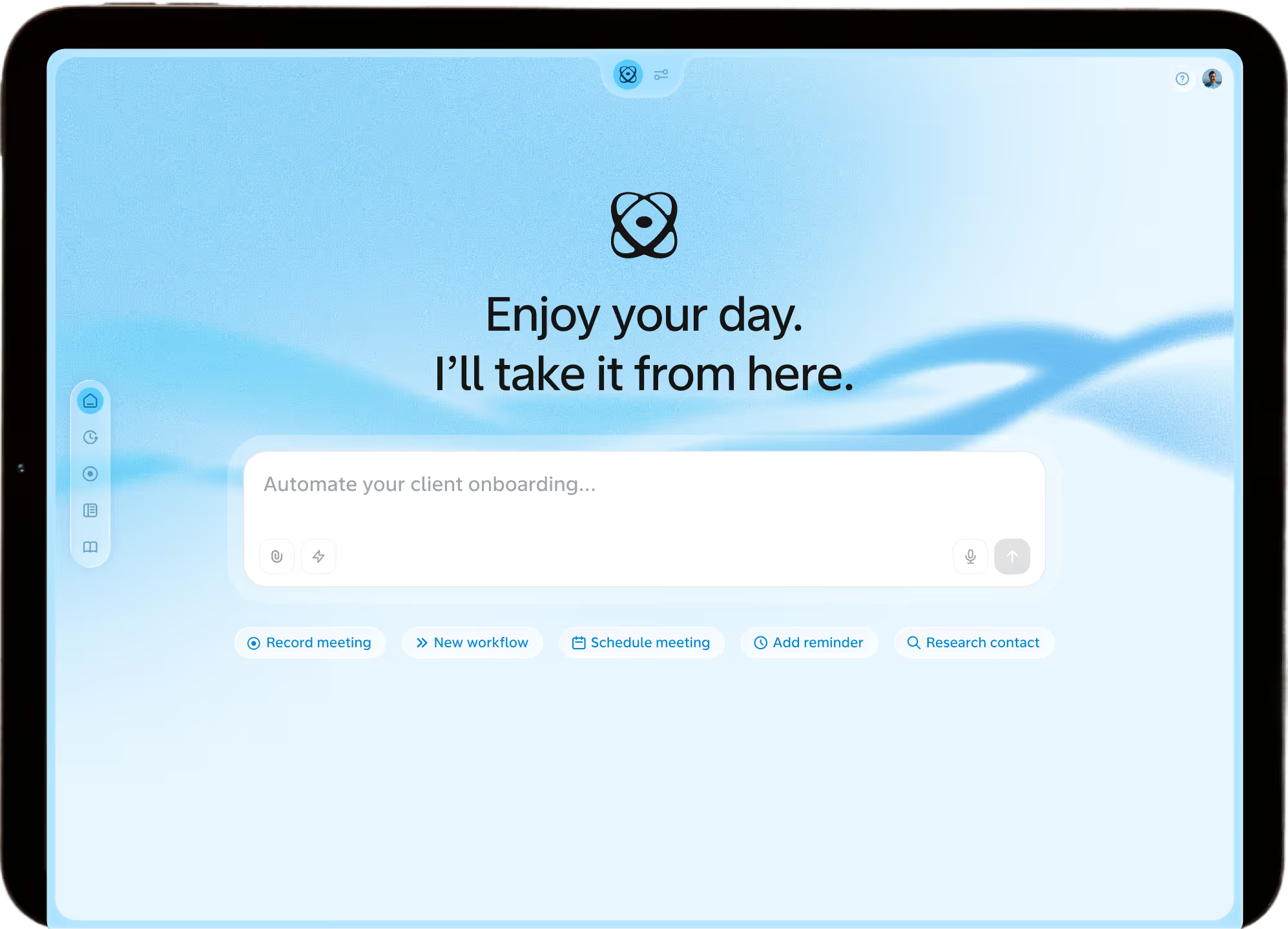
Quin writes the notes, next step, and a follow-up date into the right Pipedrive deal as soon as the call ends, capturing what was actually discussed rather than a summary reconstructed later.
Picture a call that ends with a prospect agreeing to review a proposal by Friday. Logged the moment the call ends, that's a clear task with a real date. Written up from memory that evening, it's the kind of detail that easily turns into a vague "waiting to hear back."
Best practices for getting the most out of it
- State next steps out loud on the call, since a clear verbal commitment is what makes it into the record cleanly.
- Check the first few updates against your own memory of the call, to confirm the level of detail matches what you'd expect.
- Use this on calls where the outcome actually matters, not just routine check-ins.
- Keep due dates specific, since a real date is what makes a follow-up task useful later.
Setting it up
Connect Pipedrive under Settings, then Integrations, and turn on the Notetaker for the calls where deals actually move.
#skills