Turning Meeting Action Items Into the Right Microsoft Planner Bucket and Owner
August 6, 2026

A client status call wraps with five action items: one for the design lead, one for a contractor who wasn't on the call, two due before the weekend. By Wednesday, only two have landed in Microsoft Planner, and the ones that did are sitting in a generic bucket labeled Backlog. Whoever is supposed to chase down the rest has to replay the meeting in their head to remember who owns what.
What Tends to Get Missed
- The right bucket never gets chosen. Tasks default to whatever bucket happens to be open, so one that belongs under Client Onboarding ends up buried under Misc.
- Names get heard but not matched to a Planner account. Someone says "have Sarah handle the follow-up," but nobody opens Planner to actually assign it to her.
- Due dates mentioned in passing disappear. "Let's get that back by Friday" is easy to say and easy to forget once the call ends.
- Tasks pile up unassigned in a default plan. Without someone sorting them afterward, half the board turns into a queue nobody actually owns.
- The same commitment gets logged twice. One person adds a task from memory, another adds it from their notes, and now two tasks exist for one commitment.
How Quin Handles It
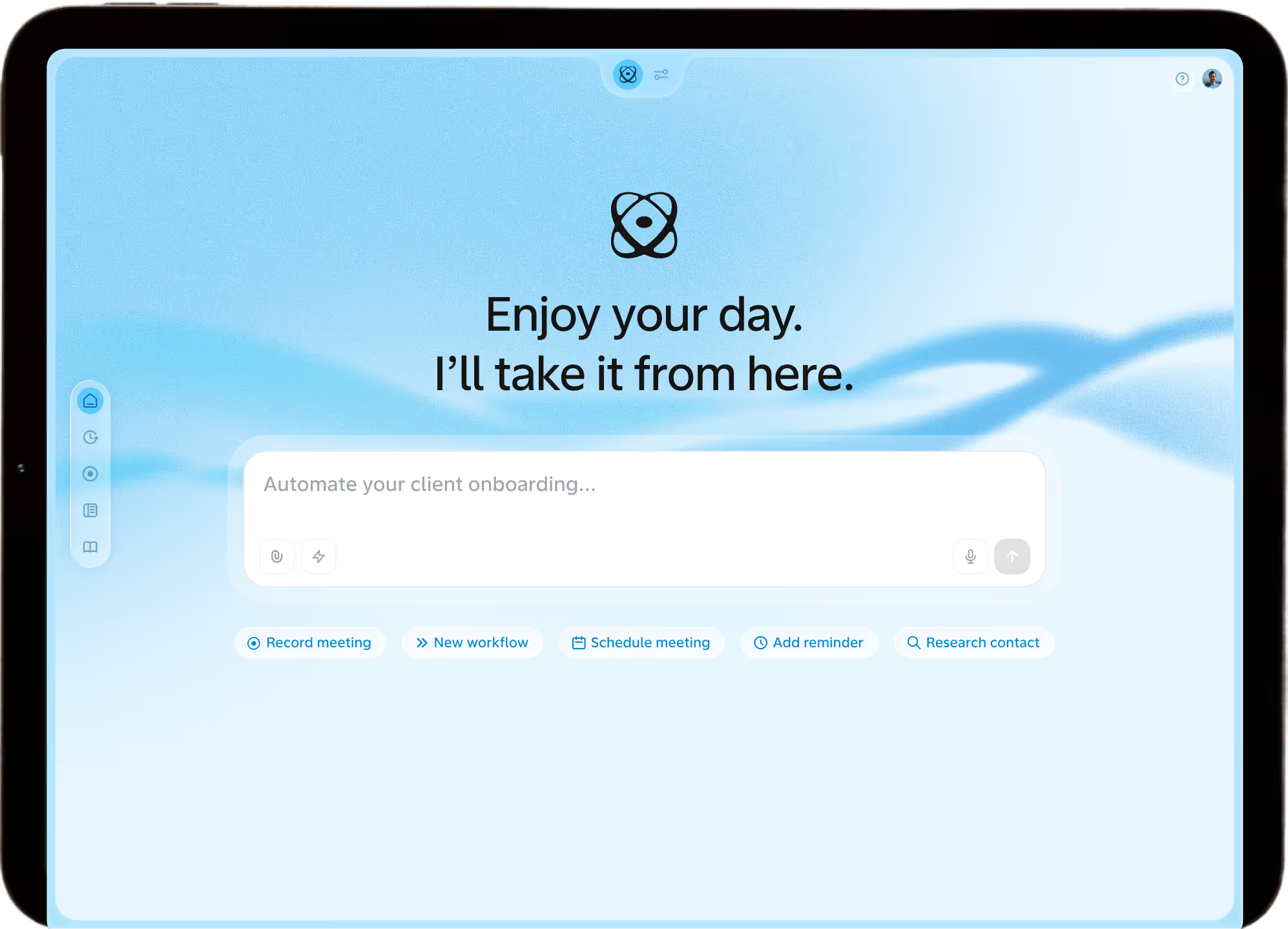
Quin listens in on the meeting and picks out the commitments actually made, then creates the corresponding tasks directly in Microsoft Planner. Each one carries the due date, assignee, and bucket discussed, or close to it. If the plan or bucket wasn't specified out loud, Quin asks which one to use, or makes its best judgment based on context, rather than dropping everything into whatever bucket happens to be open.
Picture a Monday planning call where the team runs through six items in ten minutes: two for the ops lead, one for a vendor, three with dates said only once. Instead of someone trying to remember all six afterward, Quin turns each into a Planner task in the right bucket, with assignee and due date already filled in. The team opens Planner an hour later and the board reflects what was actually agreed to.
That accuracy matters more than it sounds like it should. A task in the wrong bucket, or never created at all, doesn't fail loudly. It just falls off the board until someone asks about it weeks later and realizes it was never assigned to anyone.
Best Practices
- Say assignee names clearly during the call. A first and last name gives Quin something specific to match against a Planner account.
- Name the plan or bucket when you have a preference. Saying "put that under the Onboarding plan" out loud saves a step later.
- Confirm tasks against the board within a day. A quick glance while the meeting is fresh makes it easy to catch anything needing a tweak.
- Use consistent bucket names across meetings. A board with several variations of the same bucket name gets harder to sort by the week.
Setting It Up
Connecting Quin to Microsoft Planner takes a few minutes: sign in with the Microsoft account tied to your plans and grant permission. Tasks created on a call then show up with the bucket, assignee, and due date already attached, instead of landing in a default list. You can find this option under Settings, then Integrations.
#skills