Turning Meeting Commitments Into Basecamp To-Dos
August 6, 2026

A weekly client sync wraps with five commitments inside ten minutes: send a proposal, loop in the ops team, follow up on a contract, check a budget line, set up a follow-up call. The call ends, the next meeting starts two minutes later, and by the time there's a break to open Basecamp, the specifics have blurred together. The to-do list gets built from memory or skipped for the day.
What Tends to Get Missed
- The exact commitment, not a rounded-off version. "I'll get you numbers by Friday" becomes a vague to-do called "follow up," with the deadline and the ask both gone.
- The right owner. A task discussed with three people can end up unassigned, or assigned to whoever typed it in.
- A due date mentioned once, in passing. If it wasn't repeated, it rarely makes it into the to-do.
- Which project and to-do list it belongs under. A task added to the wrong list, or a general one nobody checks daily, is as good as invisible.
- Smaller commitments that never sounded like a formal task. "I'll ask Sam about that" is still a to-do, but the kind that's easiest to let slide.
How Quin Handles It
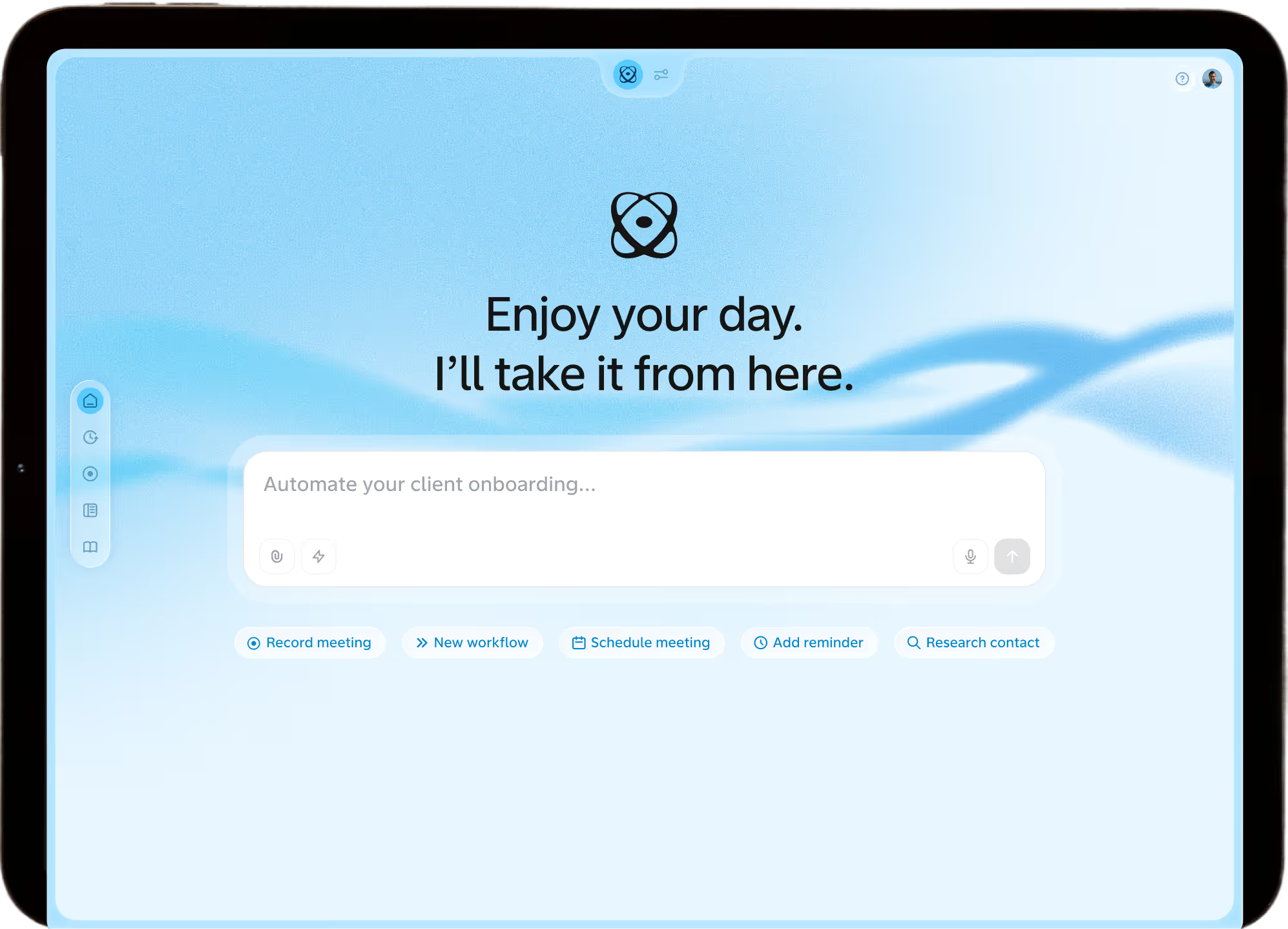
Quin's Notetaker sits in on the call, whether video, phone, or in person, and listens for commitments the way an assistant taking notes would. Phrases like "I'll send that over by Friday" register as action items, not just conversation. Once the call ends, Quin creates a to-do in Basecamp for each one, placed in the right project and to-do list, with the assignee and due date filled in.
Picture a vendor status call where three action items come out of one twenty-minute conversation: a revised quote due Thursday, a contract needing a signature this week, and a scope question that needs client input first. Each becomes its own to-do in the relevant Basecamp project, assigned to whoever agreed to own it, instead of three lines on a notepad that may not survive the day.
If the project a task belongs to isn't clear, Quin asks for confirmation before creating anything, rather than guessing and filing it somewhere no one will check.
The cost of a missed commitment isn't only an awkward follow-up later. It's a client left waiting on something they were promised, with no record anywhere it was made.
Best Practices
- Say the project name out loud. Basecamp organizes work by project, so naming it gives Quin what it needs to file the to-do correctly.
- State owners and dates as clearly as you'd want them written down. "Someone should look at this" becomes a much better to-do as "Maria will check the budget by Wednesday."
- Keep to-do lists organized by phase or workstream. A new to-do has a clear home to land in, instead of piling into one general list.
- Review the first batch of to-dos closely. A few meetings is enough to see whether commitments are landing in the right place, and adjust if not.
Setting It Up
Basecamp connects to Quin the same way any other integration does. Connect Basecamp under Settings, then Integrations, sign in to your Basecamp account, and confirm the integration shows as Active before your next call.
#skills