Turning Meeting Commitments Into ClickUp Tasks
August 6, 2026

A rep says "I'll get the revised proposal to you by Thursday" on a discovery call, then the next meeting starts five minutes later. Nobody opens ClickUp to note who owns that promise or when it's due. By Thursday, the commitment lives only in a call recording nobody has time to re-listen to, and the prospect wonders why they haven't heard back.
This happens dozens of times a week, and most of it never becomes a task anywhere.
What Tends to Get Missed
- The exact wording of a promise. "I'll send it by Friday" gets summarized to "will follow up," and the deadline disappears.
- Who owns the task. Someone says "I'll take care of that," but nobody writes down whose name goes on the assignee field.
- Tasks logged hours or days later. By the time someone opens ClickUp to write a follow-up, detail from the call has faded.
- Context that explains why a task matters. A task titled "Send proposal" tells a teammate nothing about the objections or timeline the client raised.
How Quin Handles It
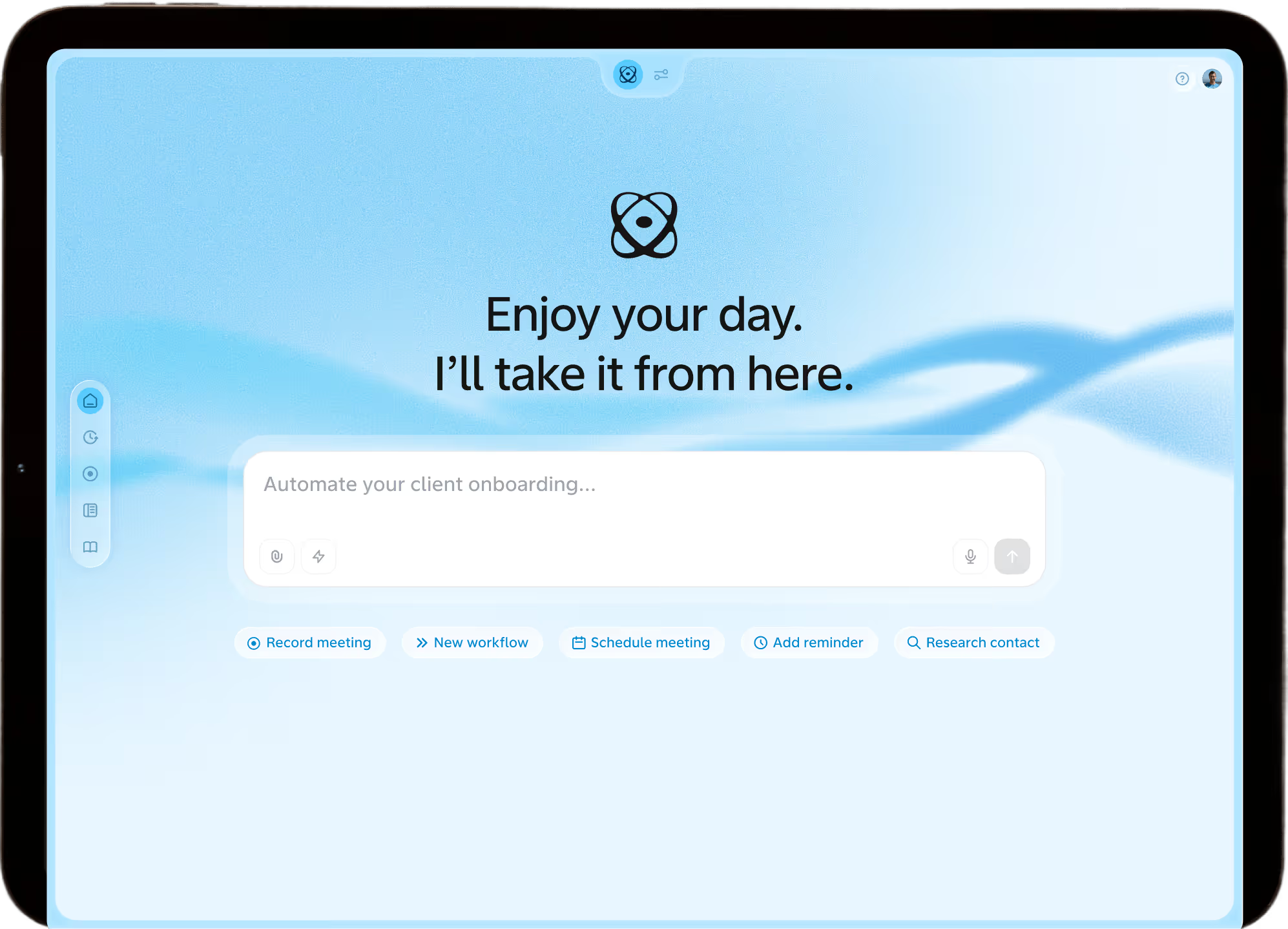
Quin listens to the meeting and creates the ClickUp task itself, rather than leaving that step for whoever remembers to do it later. It identifies who made the commitment, pulls a due date out of language like "by Friday," and writes the task with that assignee and deadline attached. If Sarah says "I'll send the proposal by Friday," Quin creates a task assigned to her with a Friday due date.
Quin also builds tasks from direct instructions: telling it "Follow up with Alex about the design mockups" is enough for that request to show up in the ClickUp list. Status stays connected in both directions, too: marking a task complete in Quin updates it in ClickUp right away, so a teammate checking ClickUp sees current status, not a stale card.
Picture a customer success call where the client raises three issues: billing, a training request, and a bug report. With Quin connected, each becomes its own ClickUp task as the conversation happens, tagged with the client's name, the ask, and who agreed to handle it.
The value isn't just fewer hours on data entry. It's fewer commitments that disappear between the call and the follow-up, often the difference between a client who feels heard and one wondering if the team dropped the ball.
Best Practices
- Name the assignee out loud. Saying "Alex will handle the contract" gives Quin a clear name to match against the ClickUp workspace, rather than a task landing unassigned.
- State dates the way you'd write them. "By end of week" or "next Tuesday" both work fine mid-call.
- Set a Guideline for where tasks land. Telling Quin to put client-facing tasks in a specific List keeps the backlog organized without manual sorting later.
- Check the ClickUp task against the meeting summary. A quick glance confirms the context carried over before a teammate picks it up.
Setting It Up
Connect ClickUp under Settings, then Integrations, then select Add Integration and choose ClickUp. Authenticate the account, pick a default workspace and project, and grant permissions when prompted. From there, add a Guideline describing how tasks should be assigned or grouped, and Quin starts creating ClickUp tasks from the next meeting it joins.
#skills